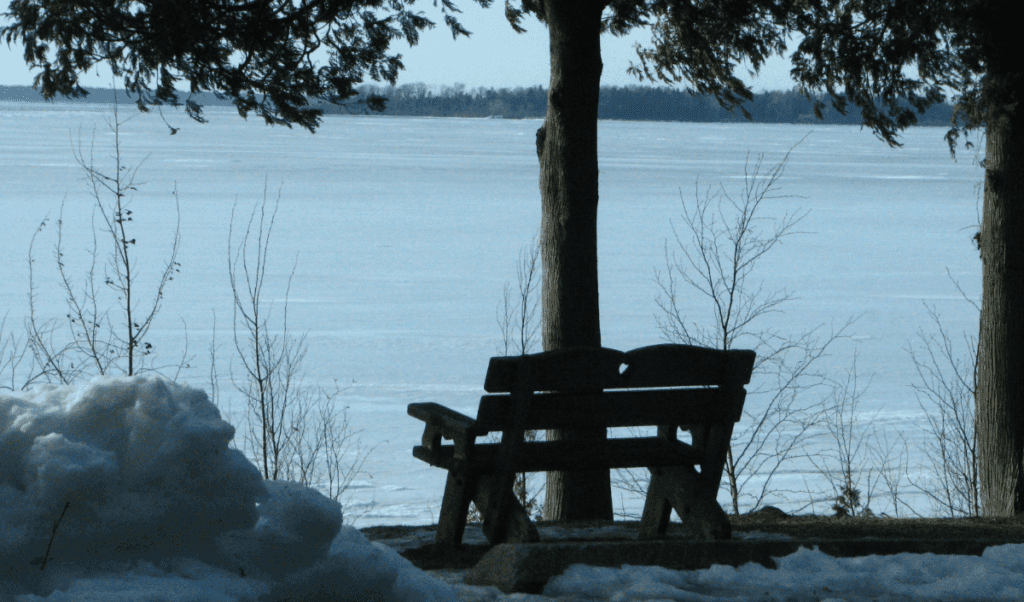
There was a time when any open space in my day felt like a problem that needed solving.
If I had thirty minutes, I’d try to “use” it.
If I had an evening, I’d feel guilty if it wasn’t productive.
If I sat down without a plan, my mind would start reaching for something — my phone, a task, noise.
I didn’t consciously choose that way of living. It just crept in slowly, the way most habits do. Somewhere along the line, free time stopped feeling like rest and started feeling like wasted potential.
I don’t live that way anymore. Not perfectly — but intentionally.
The pressure to always be doing something
Modern life doesn’t leave much room for emptiness. Every spare moment is treated like an opportunity — learn something, optimize something, capture something, improve something. Even rest has rules now.
For a long time I bought into the idea that if I wasn’t filling every gap, I was falling behind.
That mindset followed me everywhere — work, weekends, even family time. I’d be physically present but mentally somewhere else, already thinking about the next thing I should be doing.
At some point, it just stopped working.
Burnout isn’t always dramatic. Sometimes it’s quiet. You’re still functioning, still showing up, but everything feels rushed and thin. Nothing sinks in. Nothing restores you.
That was the point where I started questioning why every moment needed a purpose.
Free time doesn’t need to justify itself
What eventually changed wasn’t my schedule — it was my relationship with empty space.
I started letting moments exist without immediately assigning them a job. Sitting outside without turning it into a productivity ritual. Walking without tracking steps. Drinking coffee without scrolling.
At first, it felt uncomfortable. Almost boring.
That alone told me something wasn’t quite right.
Boredom used to scare me because it felt unproductive. Now I see it differently. Boredom is often the doorway to clarity. It’s the place where your thoughts finally have room to finish themselves.
This connects closely to something I wrote about in The Difference Between Rest and Escaping. Real rest doesn’t require constant distraction. Escaping does. When you stop filling every moment with noise, it becomes easier to notice which activities actually restore you — and which ones just numb you.
Family time hits differently when you’re not rushing through it
This shift mattered most at home.
When you’re always mentally ahead of the moment you’re in, you miss the small things. Not in a dramatic way — but enough that days start to blur together.
Kids notice that, even when they don’t say anything.
I’m not claiming some perfect presence now. I still catch myself drifting sometimes. But I’m more aware of it. I try to let moments be incomplete, unscheduled, and a little inefficient.
Ironically, those are often the moments that end up mattering most.
Slowing down isn’t laziness
One thing I had to unlearn was the idea that slowing down meant giving up.
Choosing not to fill every free moment isn’t about doing less overall. It’s about doing fewer things with more intention.
That idea overlaps a lot with something I wrote in Why I Choose a Slower Life. Slowing down isn’t about rejecting effort. It’s about rejecting the constant sense of urgency that modern life tries to impose on everything.
I touched on a similar idea in “Choosing Simplicity Over Easy in Everyday Life.” Simple doesn’t always mean effortless — but it often means removing the noise that keeps us distracted.
When everything feels urgent, nothing feels meaningful.
Letting time breathe creates space for reflection, creativity, and noticing what actually matters. Those things rarely show up when your mind is always occupied.
I still struggle with it — and that’s okay
This isn’t a finished transformation. It’s more of a practice.
Some days I catch myself defaulting back to noise. Some weeks feel fuller than I’d like. But now I notice when I’m filling space out of habit instead of need.
And that awareness alone has changed how my days feel.
Free time doesn’t need to be conquered.
Silence doesn’t need to be solved.
Moments don’t need to be optimized to be valuable.
Sometimes the most meaningful thing you can do is simply leave space untouched.
– Just a note from the yard.