For years, I thought I wanted life to be easier. Less stress, less effort, fewer problems. That’s a common desire, especially when life feels heavy and rushed all the time.
But somewhere along the way, I realized that what I was actually craving wasn’t ease — it was simplicity. And confusing the two is one of the reasons modern life can feel exhausting.
Easy promises comfort. Simple asks for intention. Easy often looks like freedom. Simple often feels like restriction. Easy says buy the shortcut. Simple says do fewer things, but do them on purpose. Easy removes friction. Simple removes excess. That difference matters more than I used to think.
When I first started paying attention, I noticed how much time I spent doing things because they were easy, not because they mattered. Convenience felt productive. Efficiency felt fulfilling. But over time, I realized I was trading presence, attention, and long-term value for a fleeting sense of relief. That’s what simplicity protects against.
Living Closer to the Ground
A simple life doesn’t mean doing everything the hard way. It means focusing your energy on what matters and letting go of what doesn’t.
Making food from scratch isn’t always easy. Maintaining a home, caring for a garden, spending intentional time outside, or being fully present with your family — these are simple in the sense that they’re direct, honest, and grounded. You’re participating in life rather than outsourcing it to convenience.
For example, when I cook meals from scratch, I know exactly what goes into them. I can batch-cook, meal prep, and set up meals to last a week or two. When nights are busy, there’s no scrambling — I have something wholesome ready to go. This makes everyday life lighter while still being satisfying.
This principle connects closely to Why I Choose a Slower Life. Slower living isn’t passive. It’s about fewer layers between you and the things that matter most. It’s about being present in your home, in your work, and in your life.
Easy Often Creates Hidden Costs
Easy feels good immediately, but it often comes with hidden costs. Easy meals can lead to health problems. Easy entertainment can steal your attention. Easy convenience can trade away skill, patience, or resilience.
At first, easy feels like relief. Over time, it builds dependence. Simple, by contrast, often requires more effort upfront — but it stabilizes and supports you over time. Once you learn a skill, establish a habit, or create a rhythm, simplicity becomes a reliable foundation instead of a drain.
This difference appears everywhere:
- Work: Easy is multitasking and urgency. Simple is focusing on a few priorities.
- Technology: Easy is endless scrolling. Simple is using tools intentionally or not at all.
- Free time: Easy is filling every moment with noise. Simple is letting space exist, even when it feels uncomfortable.
Free time doesn’t need optimization. Sometimes it simply needs to exist, unshaped. That idea ties to Why I Don’t Fill Every Free Moment Anymore. Leaving space in your day allows for reflection, observation, and a sense of calm that convenience can never provide.
Saying No to Distractions and Unnecessary Consumption
Simplicity often means saying no — and that’s one of the hardest parts. Saying no to habits, services, and distractions that don’t serve your life can feel uncomfortable.
For example, we recently pared down our streaming services. We now only have Netflix for TV and Spotify for music. We used to have at least three TV streaming services and Spotify, all pulling attention, all fragmenting our time. Reducing these distractions frees up space for activities that truly matter: cooking meals, spending time outside, fishing, reading, or playing with our kids.
Saying no also allows for intentional purchases. We focus on buying things that last — durable gear, quality tools, materials we can use repeatedly. This reduces mental clutter and financial pressure while keeping life enjoyable.
Even simple habits like meal prepping, cooking in bulk, and planning your week’s food around homemade meals remove daily stress. Cook once, have meals ready for the week, and enjoy the satisfaction of knowing you’re prepared without constant effort. Simple living often reduces both financial and time pressures while creating space to enjoy life fully.
Nature Reminds Us What Matters
Humans were never made to live in boxes. We were built to move, breathe, and exist outside. Yet modern life keeps us inside, surrounded by screens, schedules, and artificial environments.
Spending time outside restores perspective and reduces stress. Riding a bike, gardening, walking, fishing, or simply sitting in the yard reconnects us to our natural rhythm. Nature doesn’t demand performance or productivity — it offers clarity, presence, and calm.
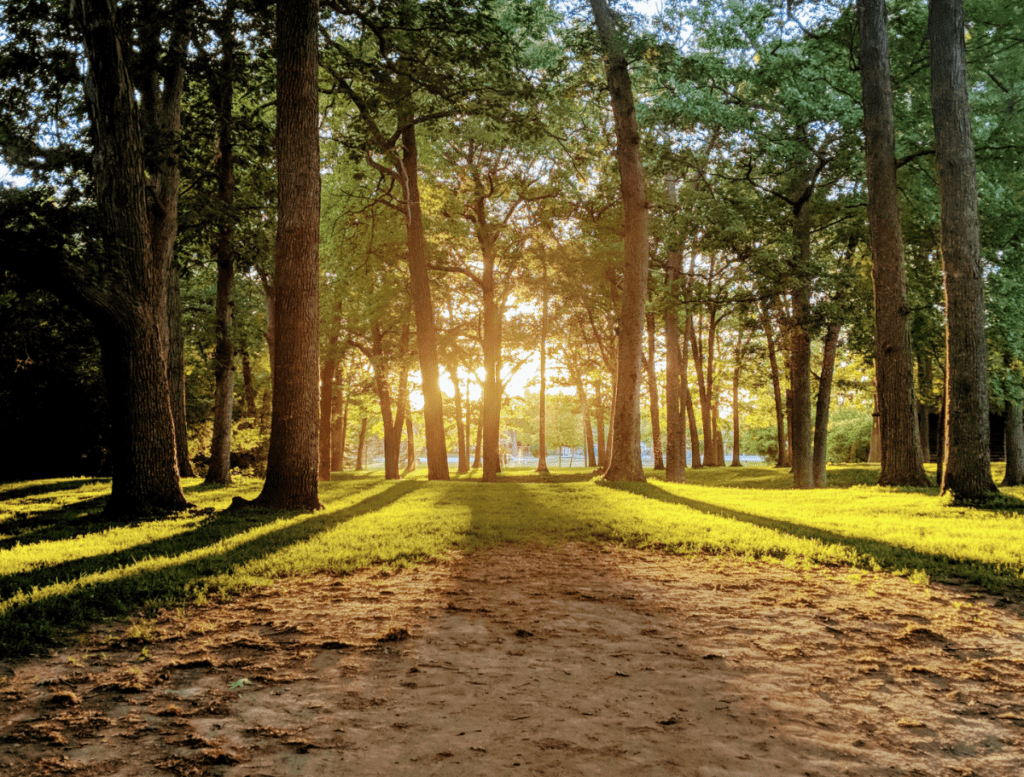
Even small moments — watching light shift across the trees, feeling the wind on your face, noticing the sounds of birds — teach patience and attention. This relates closely to Why I Need to Be Outside to Feel Normal and Choosing Small, Repeatable Rituals Outside. Nature anchors your attention, reminding you what matters without adding noise or pressure.
Doing Meaningful Work With Your Hands
Part of simplicity is involvement — doing something tangible with your hands. Fixing tools, cooking from scratch, maintaining a garden, or working with materials gives a sense of completion and satisfaction that digital life rarely offers.
For me, physical work balances mental noise. When I bake, build, or garden, my mind slows down. There’s a rhythm in deliberate, repeated action that feels grounding. Even small tasks, when done intentionally, connect me to life in a way scrolling, binge-watching, or mindless multitasking never could.
Having the right tools makes this easier. I keep essential kitchen tools handy, which helps me cook efficiently and enjoyably without added stress. These small investments in quality and reliability pay off in simplicity over time.
Choosing Simple Over Easy Every Day
Easy reduces effort now and increases cost later. Simple increases effort now and reduces cost later. Easy feels good immediately, but simple builds a life that lasts.
I’m still choosing every day. Some days I pick easy, and that’s fine. But simplicity, intentionality, and connection consistently build a life that feels solid, grounded, and meaningful. It’s not flashy, but it’s real — a life you’re actually standing in rather than running from.
– Just a note from the yard.