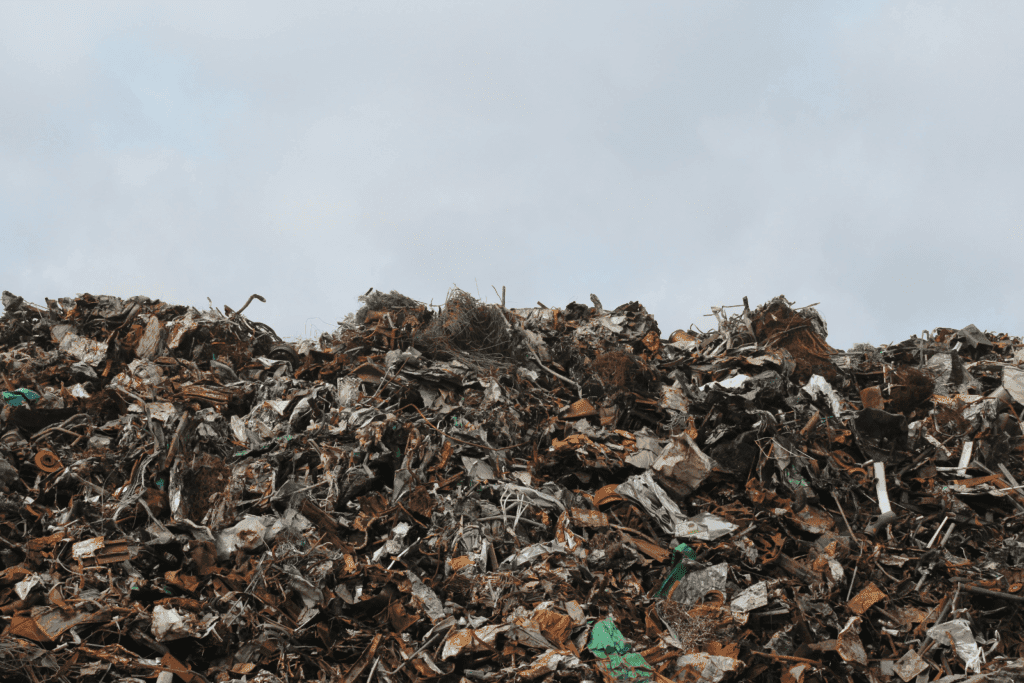
We live in a world designed to make us dependent.
When something breaks, the answer is almost always the same: replace it, outsource it, or throw money at it until it goes away. Most people don’t even consider learning how things work anymore — not because they can’t, but because they’ve been taught not to.
I’ve never been comfortable with that.
Useful skills used to be normal
Not that long ago, basic skills were just part of life.
You fixed what you owned. You maintained your tools. You learned by doing, not by paying someone else every time something went wrong. That wasn’t considered impressive — it was just expected.
Somewhere along the way, convenience replaced competence.
Learning isn’t hard — starting is
Most skills aren’t complicated.
What stops people isn’t lack of intelligence — it’s the fear of messing something up. But that fear fades quickly once you realize two things:
- Most things are already broken when you start
- Information is everywhere if you’re willing to look
The first time you fix something yourself, it changes how you see the world. Things stop feeling mysterious. Problems feel solvable. Stress goes down. You can look at something, research, learn and fix it.
Working with your hands grounds you
There’s something deeply grounding about physical skills and working with your hands.
Fixing a machine. Sharpening a tool. Building something that didn’t exist before. You can see the result. You can feel it. That kind of feedback is rare in modern life.
It’s also calming in a way that’s hard to explain unless you’ve felt it.
Skills create freedom
Every useful skill you learn removes a small layer of dependence.
You save money. You gain confidence. You stop feeling helpless when something goes wrong. That adds up — not just practically, but mentally.
This mindset overlaps heavily with how I think about simple living and homesteading — not as extreme self-sufficiency, but as choosing capability wherever possible.
You don’t need to learn everything
This isn’t about doing it all.
It’s about doing something.
Learn one skill. Then another. Pick the ones that make sense for your life. Over time, you realize you’re far more capable than you were led to believe.
In a disposable world, usefulness is quietly rebellious.
– Just a note from the yard.