Feeding a large family isn’t just expensive.
It can feel overwhelming.
Groceries disappear fast. Snacks vanish in hours. And if you’re not careful, convenience food becomes the default because it feels easier even though it costs more.
We have five kids. That means seven people eating, every single day.
We’re not extreme. We’re not living off-grid. But we’ve built a rhythm that keeps our grocery bill reasonable without sacrificing flavor or living on boxed food.
This isn’t about eating plain rice and beans.
It’s about cooking real food strategically.
We Cook From Ingredients But We Make It Taste Good
People hear “cook from scratch” and imagine bland food and endless effort.
That hasn’t been our experience.
Take something simple like rice and beans.
On their own? Basic.
But turn that into burrito bowls:
- Seasoned rice
- Black beans
- Lettuce
- Salsa
- Sour cream
- Shredded cheese
- Maybe leftover pulled pork on top
Now it’s a full meal that feels satisfying not restrictive.
The difference isn’t complexity.
It’s layering simple ingredients well.
We keep core staples stocked:
- Rice
- Potatoes
- Dry beans
- Flour
- Oats
- Eggs
- Larger cuts of meat when priced well
From those, we build meals that actually taste good.
We Make More Than People Expect at Home
We don’t buy premade drinks.
We make kefir water instead. It costs very little and replaces soda or juice without feeling like a downgrade.
We also bake our own sourdough bread. Once you create a starter, bread becomes flour, water, salt, and time. Starting sourdough sounds intimidating at first, but once it becomes routine, it’s just another weekly rhythm in the kitchen and it completely changes how you look at store-bought bread.
That one habit alone cuts grocery costs in a way most people underestimate.
It’s not about being trendy.
It’s about reducing dependency on packaged food.
One Big Cook Day Beats Cooking Every Night
Cooking from scratch scares people because they imagine doing it daily.
That would burn anyone out.
Instead, we meal prep intentionally.
Some weeks we’ll:
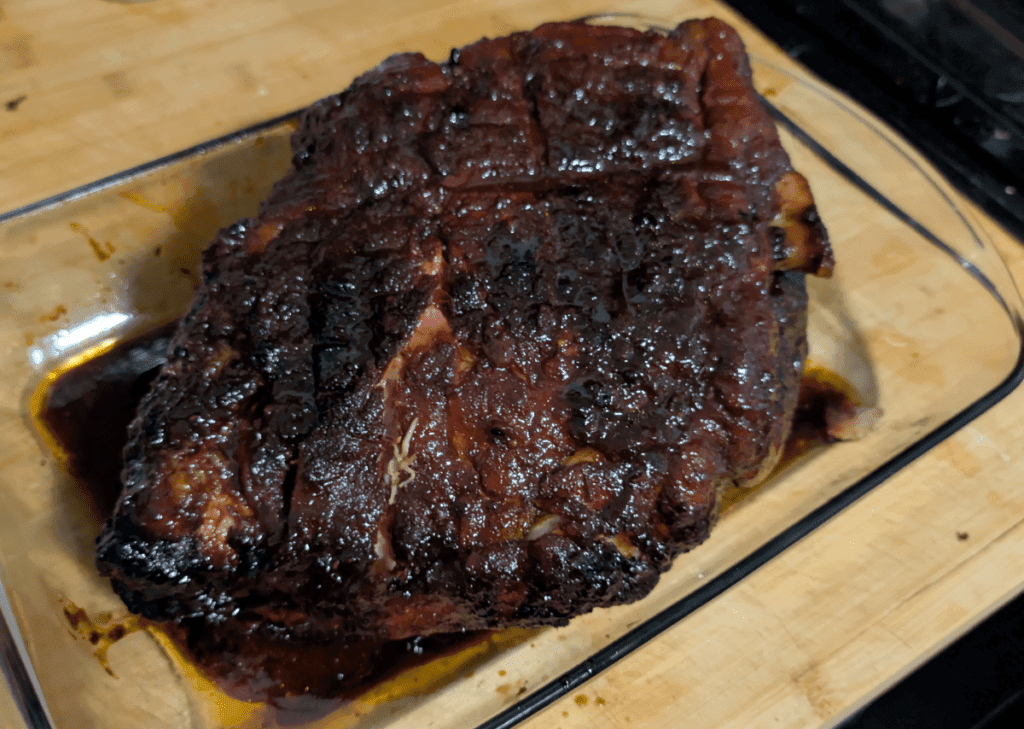
- Smoke a whole pork butt
- Roast multiple chickens
- Cook a massive batch of rice
- Prep a big casserole or two
That one day of effort turns into:
- Pulled pork sandwiches
- Smoked pork tacos
- Pulled pork over rice
- Fried potatoes, pulled pork, and eggs (my personal favorite)
- Quesadillas the next day
Some evenings, we don’t cook at all. We pull a frozen casserole out that we prepped earlier in the week, and dinner is basically handled before the day even starts.
Cooking from scratch doesn’t mean constant effort.
It means front-loading the work so your week runs smoother.
Buying Bigger Cuts Changes Everything
It still amazes me what people pay for smoked ribs at restaurants.
Once you own a quality smoker, you realize how simple it actually is.
With that same smoker, I can make:
- Pulled pork
- Smoked chickens
- Smoked chicken legs
- Jerky
- Ribs
Buying larger cuts like a whole pork butt or bulk chicken lowers the cost per meal dramatically.
Yes, the upfront price looks bigger.
But per serving? It’s hard to beat.
And the flavor isn’t “budget food.”
It’s better than most takeout.
A Well-Stocked Pantry Prevents Panic Spending
Certain foods make everything easier:
- Dried beans
- Lentils
- Canned tomatoes
- Pasta sauce
- Flour
- Yeast
- Oats
- Peanut butter
- Frozen vegetables
When those are stocked, you don’t panic when the fridge looks empty.
You build something.
Over time, we realized this wasn’t just about groceries. It was part of a bigger shift toward being more intentional about how we live and what we rely on — something I’ve written about before when talking about slowing down and stepping away from constant convenience.
That mindset makes cooking feel less like a chore and more like part of the rhythm of our home.
Simple Doesn’t Mean Boring
We don’t eat plain rice bowls.
We eat seasoned rice bowls.
We don’t eat dry potatoes.
We make fried potatoes with eggs and leftover meat.
We don’t eat “beans for dinner.”
We make chili. Tacos. Burrito bowls. Casseroles.
There’s a difference between simple and lazy.
Simple means fewer ingredients.
It doesn’t mean less flavor.
A Sample Week of Dinners for a Family of 7
Here’s what a realistic week might look like for us:
Sunday (Cook Day):
Smoked pork butt + rice + roasted vegetables
Monday:
Pulled pork tacos with lettuce, cheese, salsa
Tuesday:
Fried potatoes, pulled pork, and eggs
Wednesday:
Big pot of chili (extra for leftovers) + sourdough bread
Thursday:
Leftover chili over baked potatoes
Friday:
Homemade pizza using sourdough crust
Saturday:
Breakfast-for-dinner (eggs, toast, fruit, leftover meat if available)
Lunches are often leftovers, sandwiches, or simple assembled meals.
Nothing fancy.
Nothing extreme.
But it feeds seven people well.
Frequently Asked Questions
Is cooking from scratch actually cheaper?
In most cases, yes — especially when you focus on ingredients instead of packaged meals. Bread, drinks, bulk meat, and pantry staples add up over time.
The savings compound because you repeat the system weekly.
How much time does this take each week?
Usually one heavier cooking session and some lighter prep throughout the week.
The goal isn’t daily effort.
It’s strategic effort.
What if you work full-time?
Then meal prep matters even more.
Bulk cooking, freezing casseroles, and keeping pantry staples stocked prevent last-minute takeout decisions.
You don’t need perfection.
You need a repeatable rhythm.
Do your kids actually eat this way?
Yes — because it’s normal here.
Kids adapt to what’s consistently offered. When scratch cooking is simply how your home runs, it stops feeling unusual.
Final Thoughts
Feeding a family of 7 on a budget isn’t about extreme frugality.
It’s about:
- Cooking from ingredients
- Making bread and drinks instead of buying them
- Buying meat strategically
- Meal prepping intentionally
- Accepting simple meals that still taste good
We didn’t figure this out overnight.
But once the system was in place, the stress dropped.
And that made all the difference.
– Just a note from the yard.