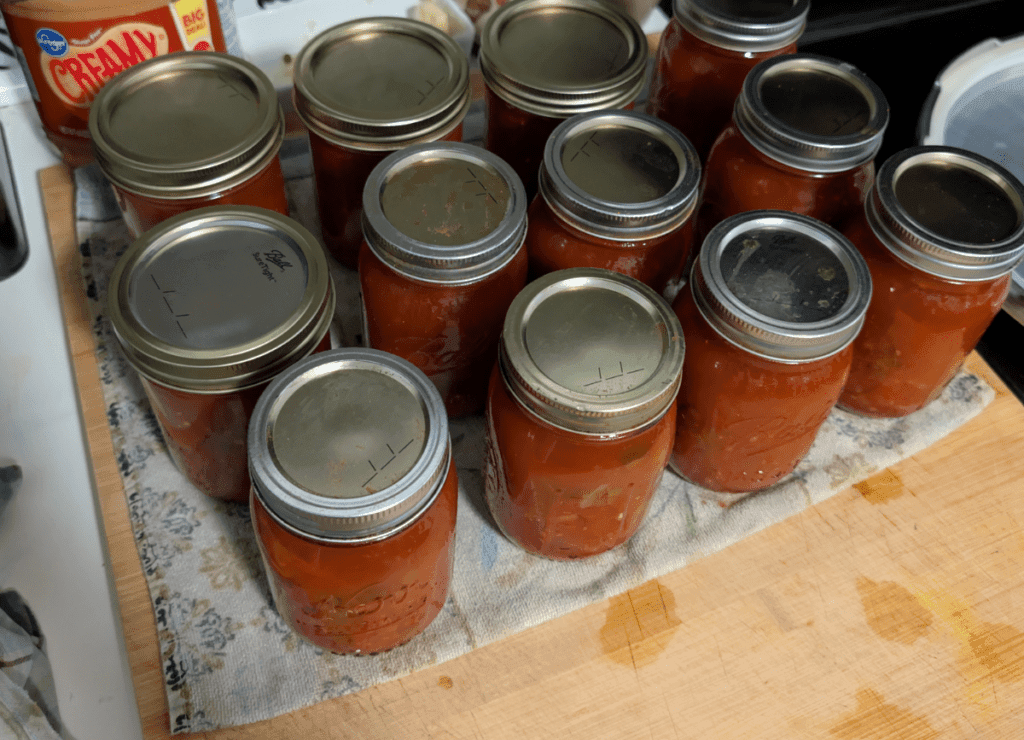
Gardening is only part of the story. The real win comes when your harvest can feed your family long after the growing season ends. Preserving fruits, vegetables, and herbs lets you enjoy fresh flavors year-round, reduce waste, save money, and connect your family to the food they eat.
Even a small garden can make a big difference, especially when combined with seasonal picking from local farms. We often go cherry picking or pick up in-season strawberries, apples, or raspberries from Wisconsin farms. A few pounds of fruit picked at peak season can be frozen, canned, or dehydrated, giving you months of fresh-tasting produce.
Freezing Your Garden Produce
Freezing is one of the simplest ways to preserve your harvest. Most vegetables from your garden can be frozen with minimal prep.
- What freezes well: corn, beans, zucchini, peppers, and berries
- Blanching: Boiling vegetables for a few minutes before freezing helps lock in flavor, color, and nutrients
- Storage tips: Quart and gallon freezer bags are ideal for bulk storage, while smaller portions in containers make weeknight meals easy
Frozen produce is perfect for soups, stews, casseroles, or quick stir-fries, letting your garden continue to feed your family long after the growing season. If you’re looking for tools to make food prep easier, check out our guide on Essential Kitchen Tools for Feeding a Large Family.
Canning Basics
Canning is a classic method for preserving your harvest. It works especially well for tomatoes, cucumbers, and other produce you want to enjoy all year.
- Tomatoes and cucumbers: Make sauces, salsas, or pickles. Homemade salsa from fresh tomatoes can elevate tacos, pasta, or sandwiches
- Jars and sizes: Pint jars for smaller batches, quarts for larger ones. Pressure canning is required for low-acid foods, while water bath canning works for jams, jellies, and pickles
- Extra tip: Planning a weekly canning routine makes it manageable, especially when paired with tips from Canning, Freezing, and Preserving the Harvest
Canning transforms your garden from a seasonal hobby into a year-round source of fresh, homemade food.
Dehydrating Fruits, Vegetables, and Herbs
Dehydration is another powerful preservation method. With a food dehydrator — or even low-heat oven use — you can dry:
- Peppers, including habaneros and jalapenos, which can last for years. We still use peppers from three harvests ago
- Fruits like apples or berries, perfect for snacks or baking
- Herbs: Air-dry herbs whenever possible. Spread basil, oregano, or thyme on a baking sheet or leave in an open container, tossing occasionally. Oven drying can over-dry herbs and make them lose flavor. My basil from years ago is still more flavorful than anything store-bought
Dried foods store extremely well and can last for years if kept cool and dry. They’re excellent for seasoning, soups, or sauces and give you that fresh-from-the-garden flavor year-round.
Supplementing Your Pantry
Your garden may not provide every meal, but it can supplement your groceries in impactful ways.
- Fresh salsa or canned pasta sauce replaces store-bought versions
- Frozen corn, beans, or zucchini stretch weekly meals
- Seasonal picking from local farms is smart — fresh, inexpensive, and packed with nutrients
A garden, paired with smart preservation, lets you reduce grocery bills, eat better, and enjoy the satisfaction of knowing exactly where your food comes from. If you want to see how we plan and use our garden throughout the year, check out How We Grow and Use Our Garden Year-Round.
Indoor Growing and Microgreens
Even if you don’t have a big garden, you can still grow fresh greens and herbs indoors year-round. Microgreens are quick, easy, and nutrient-dense — perfect for adding fresh flavor to meals or salads. I use True Leaf Market for all my seeds, both for the vegetable garden and indoor microgreen trays. Their heirloom varieties are reliable, and you can pick the exact type you want rather than settling for whatever a big box store has in stock.
For indoor growing, I like Boot Strap Farmers trays and racks. These are great for winter microgreens or for getting a head start on seedlings for the garden. A small setup lets you grow fresh greens all year, even when outdoor gardening isn’t an option.
– Just a note from the yard.