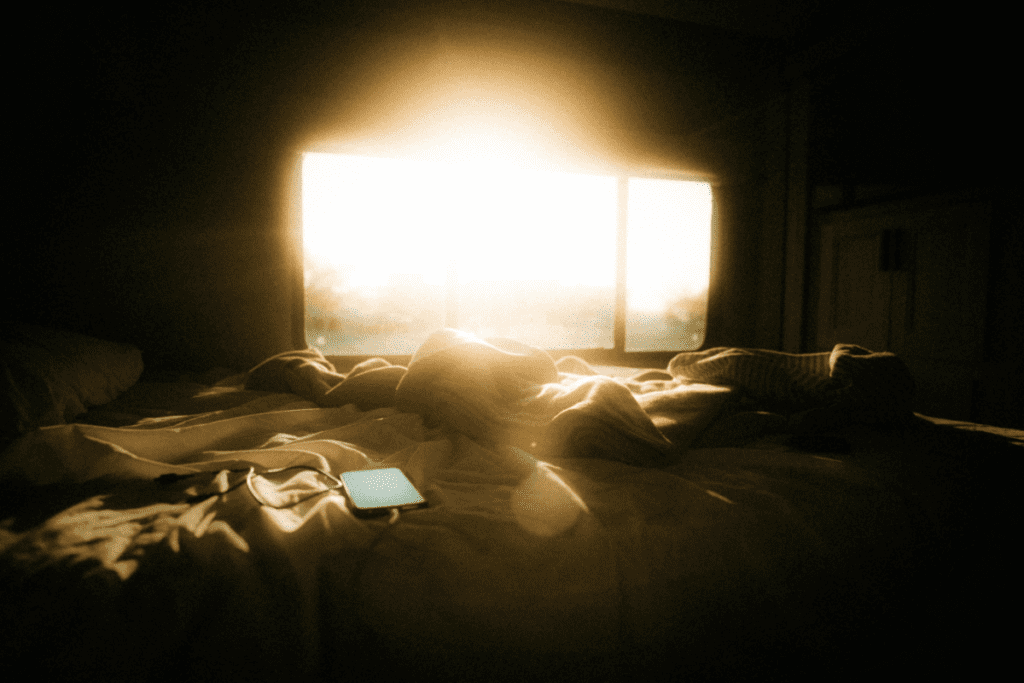
I used to hate being bored.
If I was sitting on the couch, standing in my yard, or even washing dishes, I’d feel this itch — a pressure to do something. Anything. Pull out my phone, turn on music, scroll. Noise. Input. Distraction.
But lately, I’ve started leaning into boredom. I’ll sit in my yard, on the couch, or just look out a window, and I don’t touch my phone. I don’t put on music. I just sit. And it’s… quiet. Boring, sure. But strangely powerful.
Why boredom feels uncomfortable
We’re trained to see boredom as a problem.
- It’s “wasted time.”
- It’s “unproductive.”
- It’s something to avoid at all costs.
Our brains are rewarded for constant input: notifications, entertainment, multitasking. Boredom feels like a void — and humans naturally want to fill voids.
But here’s the thing: boredom isn’t empty. It’s a doorway.
The doorway of reflection
When I give myself permission to just sit, a few things happen:
- Thoughts rise naturally – I notice things I’ve been ignoring. Problems, ideas, small victories.
- Patterns emerge – after a few minutes, my mind stops jumping and starts weaving a thread.
- Insights appear – some of my best ideas have come in these quiet, boring moments.
Even five minutes of silence can start the process. Fifteen, twenty, or half an hour can feel like a reset.
How I practice it
- Yard time: Sit on a chair outside, feel the sun or wind, watch the trees, and notice your own breathing.
- Couch time: Sit with a blanket, look out the window, allow your mind to wander. No phone. No music. Just observation.
- Short walks: I’ll walk slowly, not moving to get somewhere, not listening to music — just noticing sounds and sensations.
It doesn’t need to be dramatic or long. It’s the regular practice that changes your brain’s response to quiet. I wrote more about this in my piece about : The Difference Between Rest and Escaping
Boredom sparks creativity
When your mind isn’t constantly distracted, you start connecting dots:
- A story idea pops up
- A solution to a problem comes to you
- You remember something you forgot
- You realize how you actually feel
Boredom isn’t empty. It’s your mind’s space to breathe, organize, and create.
Lessons from sitting in silence
- You don’t always need entertainment – being present is enough.
- Thinking isn’t laziness – your brain is actively processing when you “do nothing.”
- Small rituals help – sitting in the same spot for a few minutes every day creates a mental anchor.
Over time, this practice makes you more patient, reflective, and less desperate to fill every moment with input.
Misconceptions about boredom
- It’s boring = wasted time
- You’ll go crazy without stimulation
- You need to do something productive
Silence, boredom, and stillness are themselves productive. Not in a “do this to make money” sense — in a “reset your brain and clarify your life” sense.
Final thoughts
Boredom is the doorway to insight, reflection, and clarity. It’s where messy, chaotic thoughts can slow down, sort themselves, and even surprise you.
I used to run from boredom. Now, I embrace it. I sit in the yard. I stare out the window. I let my mind wander. And sometimes, I leave with nothing but peace. Other times, I leave with ideas I wouldn’t have had otherwise.
Either way, it’s worth it.
If you want more slow-life thoughts like this, you might also like:
– Just a note from the yard.