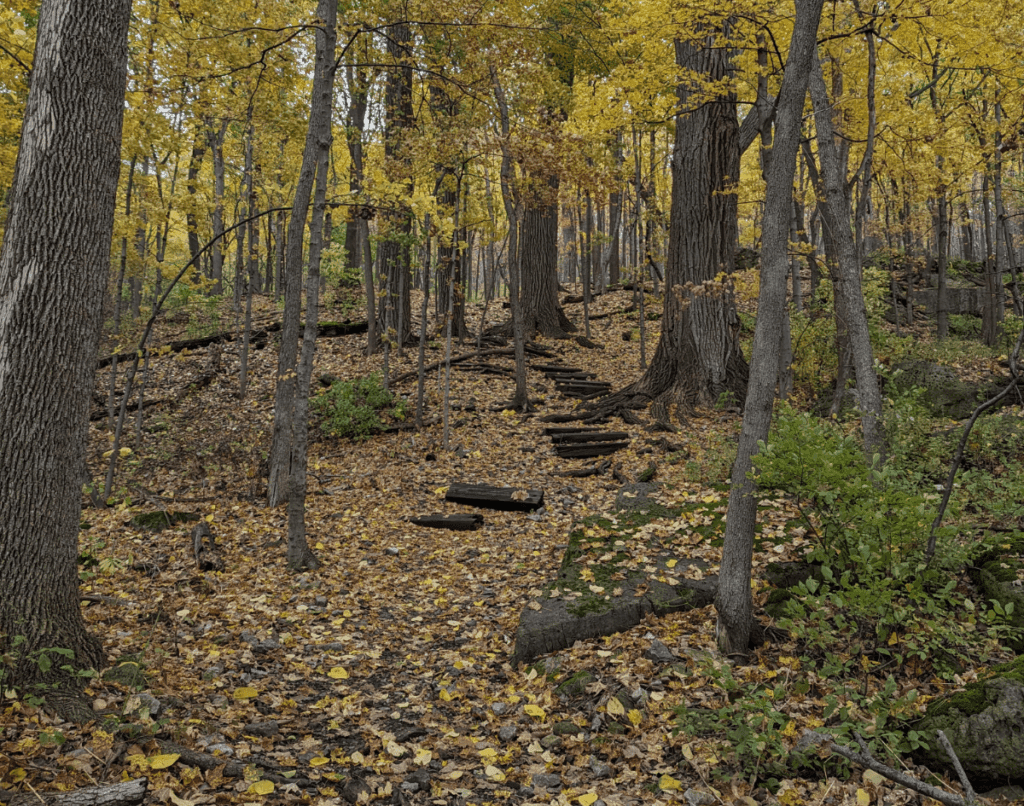
There’s a difference between being busy and being alive. For years, I spent my days chasing schedules, chores, and obligations, thinking that checking everything off a list meant progress. And then I realized something important: slowing down isn’t about doing less — it’s about doing what matters more intentionally. It’s about taking control of your time, your attention, and your energy, instead of letting life rush you past the things that really matter.
In many ways, slowing down is the thread that ties everything I write about together — from the garden beds I tend in our small backyard, to the bike rides I take just to get lost, and even the quiet moments sitting in the backyard doing nothing but watching the sky. It’s what gives life depth, purpose, and meaning.
Slowing down doesn’t mean giving up on productivity. On the contrary, it often allows me to accomplish more with less stress. Take the garden, for instance. Tending strawberries, planting new seeds, or checking on the tomato trellis might seem simple, but each small task requires attention, observation, and care. When I rush through it, I miss things: a plant that’s struggling, a weed that’s sneaking up, or a bug that could threaten the harvest. When I slow down, I notice, I adapt, and the work becomes rewarding instead of tiresome.
The same goes for other parts of homesteading. Kneading bread from scratch is something I do regularly. It’s easy to just throw ingredients in a machine or buy a loaf from the store. But taking the time to mix, knead, and watch the dough rise teaches patience. Sometimes it doesn’t rise as expected. Sometimes the yeast acts up. That’s life. And when the bread finally comes out of the oven golden and fragrant, it’s a reminder that effort done intentionally is infinitely more satisfying than something rushed or outsourced. Even making kefir water, tortillas, or simple meals from scratch is a lesson in slowing down. It’s hands-on living, where time spent and attention given directly affects the outcome.
Slowing down isn’t just about chores or hobbies. It’s about creating space to experience life fully. I often go on long bike rides with no destination in mind. Sometimes I get lost. Really lost. I know the woods and back roads near my home like the back of my hand, but I’ll deliberately take turns I haven’t taken before, follow trails that seem like they go nowhere, or stop to watch a stream I didn’t notice last year. These rides teach me to embrace the moment, not the destination. It’s about noticing the quiet, the trees, the sunlight on the leaves, and the sound of a bird overhead. It’s about being present. This is exactly what I wrote about in Riding a Bike Just to Get Lost — the act of letting yourself wander without a goal is both freeing and grounding.
Fishing is another lesson in slowing down. Sitting by a quiet lake for hours with nothing happening is frustrating if you’re in a rush. But that’s exactly the point. It’s not about catching fish; it’s about learning patience, observing nature, and noticing things that would otherwise go unseen. This is explored more in Fishing and the Art of Waiting. You learn to stop trying to control everything and start noticing what’s around you. The quiet, the stillness, and the rhythm of waiting are just as much a part of life as the action-packed moments.
Slowing down also applies to the more chaotic parts of life. Raising five kids while running a household in a normal middle-class life isn’t easy. Days are busy, often overwhelming, and full of competing needs. But even in that chaos, slowing down can make a difference. Sitting outside with the youngest children, showing them how plants grow, or just letting them dig in the garden while I sip a coffee, reminds me that the simplest experiences are often the most valuable. Those moments are what my kids remember, and they’re the moments I cherish most.
Even homesteading in its simplest form is a lesson in slowing down. You don’t need acres of land or a full orchard to get the benefit. In our quarter-acre backyard, we have three garden beds, a raspberry patch, and a small strawberry bed. Last summer, we ate bowl after bowl of strawberries, and watching the kids devour them never got old. These small tasks, small accomplishments, and small joys remind me that living fully doesn’t require a grand setting, it requires attention and care. This is what I wrote about in What “Homesteading” Really Means to Me — even small steps toward self-sufficiency and connection with the earth matter, and they matter more if you approach them intentionally, without rushing.
Slowing down also applies to maintaining tools, equipment, and things we use daily. When the snowblower runs perfectly in -20°F weather at 4 a.m., I know it’s because I slowed down and cared for it, rather than paying someone else or hoping it works. Checking the axles, adjusting the carburetor, using fresh gas — these little moments of focus prevent bigger problems and give a sense of control. It’s the same lesson as the garden or bread-making: attention, patience, and care create satisfaction.
At the heart of it all, slowing down is about choice. Choosing to experience life fully, whether it’s through hobbies, family, or quiet reflection. Choosing to observe, participate, and appreciate instead of simply rushing to the next obligation. The world constantly moves at a breakneck pace, but stepping back gives clarity, perspective, and even joy. It’s a principle that connects everything on this site: life notes, homesteading, nature, and hobbies. It’s the invisible thread that makes the content cohesive.
Slowing down isn’t a luxury; it’s a necessity. It’s the antidote to burnout, distraction, and the hollow feeling that life is passing you by. It allows us to live deliberately, notice beauty, and build skills that give life meaning. It’s about being present in your own life instead of merely existing in someone else’s schedule.
When I look back at my own journey, I see that slowing down has been the difference between a life of routine and a life of meaning. Whether it’s gardening, biking, fishing, or simply sitting on a bench watching the sun set, the act of being intentionally present shapes everything else. It informs how I parent, how I approach projects, and even how I think about the future homesteading life I dream of. Slowing down is the bridge between doing and being, effort and reflection, work and joy.
It’s the bridge between anchor posts and life notes, between hobbies and homesteading. It’s the lesson that ties all of these experiences together. And it’s something I hope anyone who reads this post can take away: slow down, notice, care, and choose what matters. That’s where fulfillment comes from.
– Just a note from the yard.