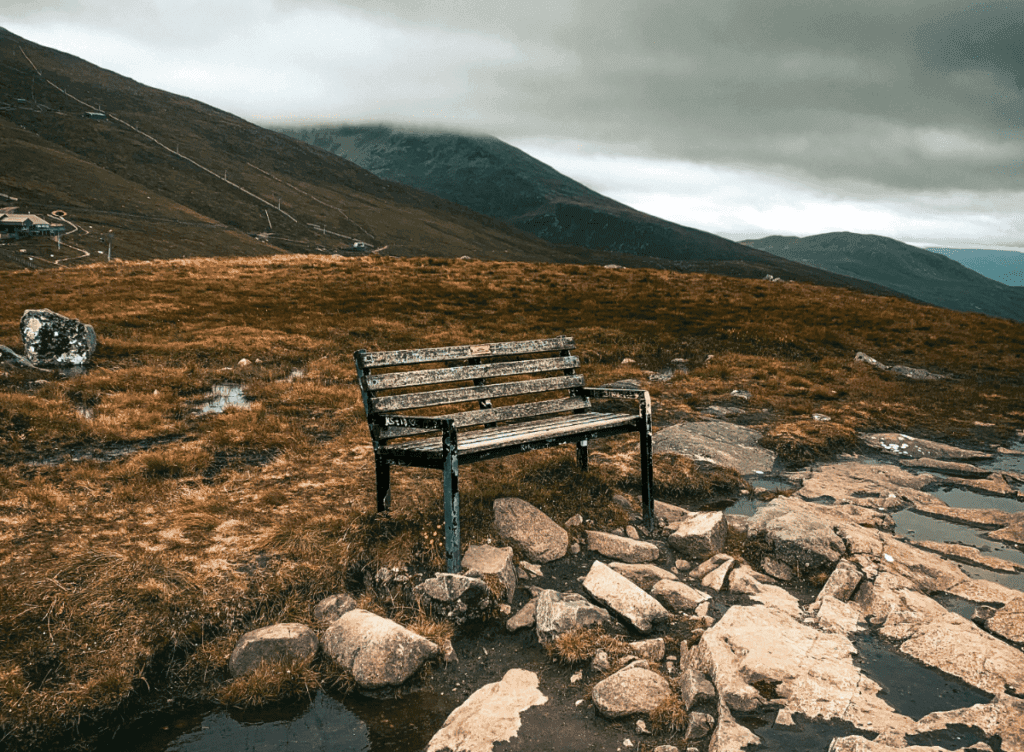
Some days I don’t get much done.
No big wins.
No boxes checked.
No feeling of “I crushed it today.”
And for a long time, that used to bother me.
I used to think every day needed to show progress in some measurable way. Something built, cleaned, fixed, planned, optimized. If I sat down too long, or spent an evening just staring at the yard, I’d feel like I was falling behind.
Now I don’t see it that way.
The lie of constant productivity
Somewhere along the way, productivity stopped being a tool and turned into an identity. If you weren’t busy, you were lazy. If you weren’t improving something, you were wasting time.
That mindset crept into everything.
Rest had to be “earned.”
Hobbies had to be “useful.”
Even downtime needed a purpose.
I’ve written before about how rest and escape aren’t the same thing, and this is where that difference really matters. Rest is intentional. Escape is avoidance. One restores you. The other usually leaves you feeling worse.
What unproductive days actually give me
On days when I don’t push myself to be productive, a few things happen.
I notice more.
I breathe slower.
My mind stops racing ten steps ahead.
Sometimes that looks like sitting outside with no plan. Sometimes it’s watching the kids mess around in the yard. Sometimes it’s just standing there while the light changes and the wind moves through the trees.
That kind of stillness used to feel uncomfortable. Now it feels necessary. I’ve learned that sitting in silence or doing nothing isn’t wasted time, even when nothing obvious comes from it.
Nothing gets checked off.
But something settles.
Those days don’t move projects forward, but they reset the person doing the projects. And that matters more than I used to admit.
Productivity vs. presence
I still work. I still build things. I still take care of responsibilities. I’m not trying to escape life or opt out of effort.
What I’ve learned is the difference between being productive and being present.
Productivity asks: What did you accomplish?
Presence asks: Were you actually here?
This shift ties directly into why I chose a slower life in the first place. It wasn’t about doing less forever — it was about doing things without constantly feeling rushed, behind, or disconnected from my own days.
When every day is about output, you can go weeks without really being present in your own life. You’re always preparing for the next thing instead of living the current one.
That’s not a trade I want to make anymore.
This isn’t laziness
Choosing not to be productive every day isn’t laziness. It’s restraint. It’s knowing when to stop pushing so you don’t burn out or grow bitter toward the life you’re building.
I’ve found that when I allow some days to be slower, the days when I do work tend to be better. More focused. More intentional. Less forced.
It turns out rest doesn’t steal momentum. It protects it.
The long view
I’m not trying to win today.
I’m trying to build a life that still feels livable years from now. One where I don’t resent my own routines. One where work supports life instead of consuming it.
That requires days that look boring from the outside. Days that don’t produce much but quietly keep things balanced.
Those days don’t show up on a spreadsheet.
They don’t impress anyone.
But they make the rest of life possible.
And that’s enough for me.
– Just a note from the yard.